Save the Bees?
Slogans like “save the bees” can lead to misconceptions, driving resources away from where they’re needed most. You can help native pollinators through simple actions like planting native flowers in your garden and avoiding the use of pesticides. Saving bees is a great goal, so aim your efforts in the right direction!
Read More
Water Conflict in Weed: A Look into the Future
Bottled water companies don’t just consume massive amounts of energy to produce plastic bottles filled with the equivalent of tap water. They’re also taking water from California communities threatened by drought and changing climate.
Read More
The Double Edged Sword of Climate Policy
It doesn't have to be like this. Climate policy that takes into account the delicate balance of emissions, the human factors between developed and developing countries, and the long-term results of energy use should be possible.
Read More
Greenwashing in the Fashion Industry: I'm Not Buying it
With few regulations on buzzwords like green, sustainably sourced, or even recycled, clothing companies rely on advertising and design known as green washington in the absence of transparency about supply chains, manufacturing, and disposal.
Read More
Drought Conditions Spell Bad News for Upcoming Fire Season
Last spring, few could have predicted the West Coast's extreme wildfire season. Models from the Climate Prediction Center suggest this year could be much worse.
Read More
The Hidden Cost of Clean Energy
On March 10, 1957, the gates of The Dalles Dam opened on the Columbia River, burying Celilo Falls. More than sixty years later, the local community is still grappling with economic and cultural loss, and they’re not alone.
Read More
Circular Fashion Design
The way our clothes are designed is unsustainable. New ideas are on the horizon, including the use of diverse fibers, circular business models, and recyclable materials. Where do we go from here?
Read More
Identification Apps Foster Landscape Knowledge, Citizen Science
Identification apps exist for those curious about backyard plants, unfamiliar insects, rocks and more, using artificial intelligence and vast libraries of research. What impact can they have?
Read More
Could Bat Boxes be the New Bird Houses?
If you think birds are boring, and bees have made you blue, then bats may be your new best beau for a biological backyard habitat.
Read More
Science From Home
Bored of Animal Crossing and wanting something new to occupy your time in quarantine? Check out our blog about online citizen science projects!
Read More
Seattle Raging Grannies
The Raging Grannies is an organization that was recently brought to my attention, but deserves all the attention in the world. Spread across the country in “gaggles,” as they call themselves, groups of elderly women have united under a desire for social and environmental change through peaceful activism.
Read More
Reclaiming Urban Spaces for Native Communities
Today, many indigenous people are fighting to regain space and reestablish a sense of community in Seattle through preservation of nature.
Read More
Giving Single Use a Second Life: How Eco-Consumerism May Lead to More Waste
From the fight against single use plastic straws to fitting a year’s worth of trash into a mason jar, these past few years have made it clear: being green is trendy. And as with all trends that have the potential to turn a profit, if they can, they will.
Read More
The Aquatic Mind and Body
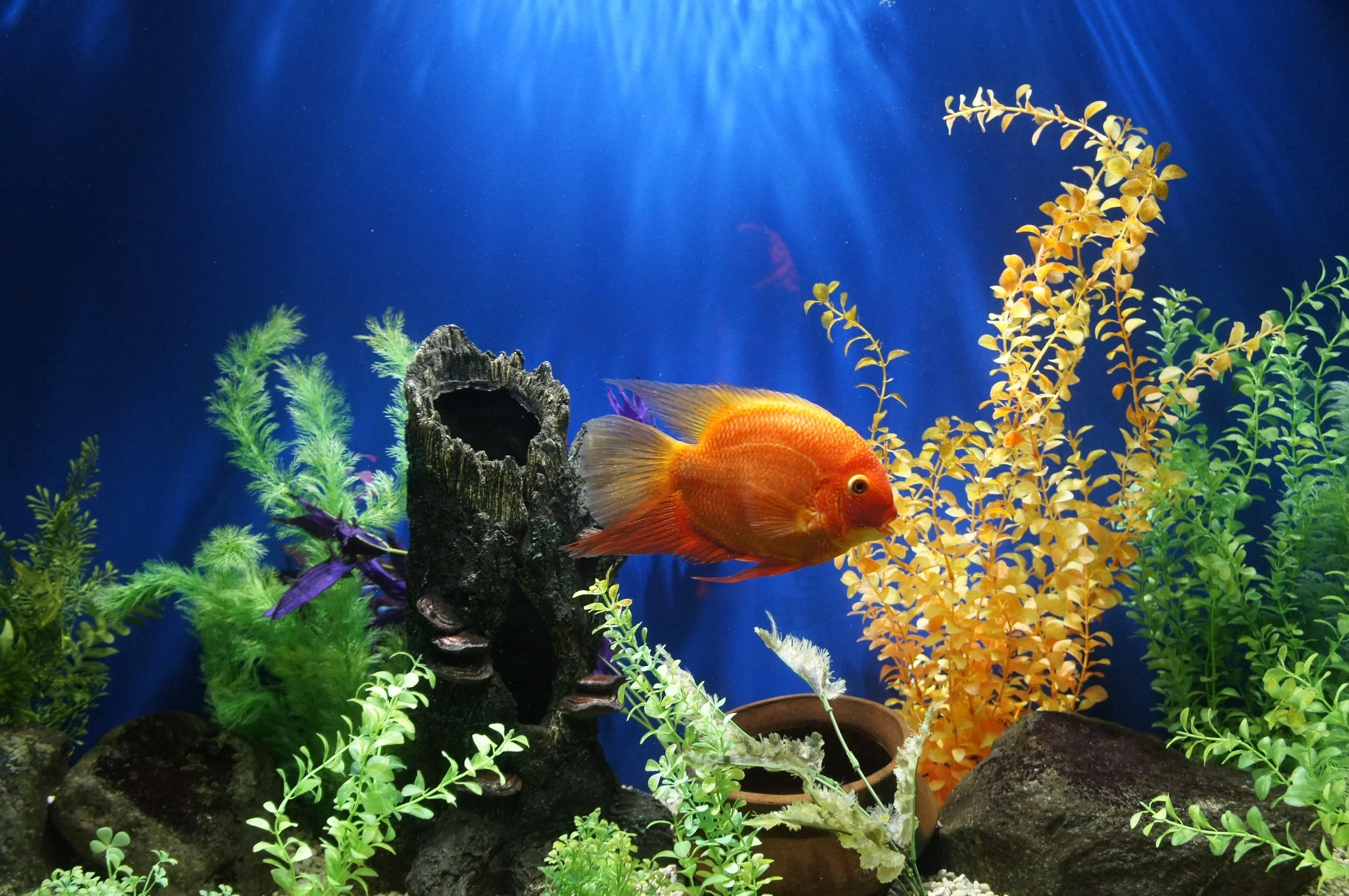
The beneficial impacts of nature on our physical and mental health have become more commonly known through this age of outdoor withdrawal, leading more people to invest in the natural enrichment of their homes through plants and animals.
Read More
Learning to Speak Whale
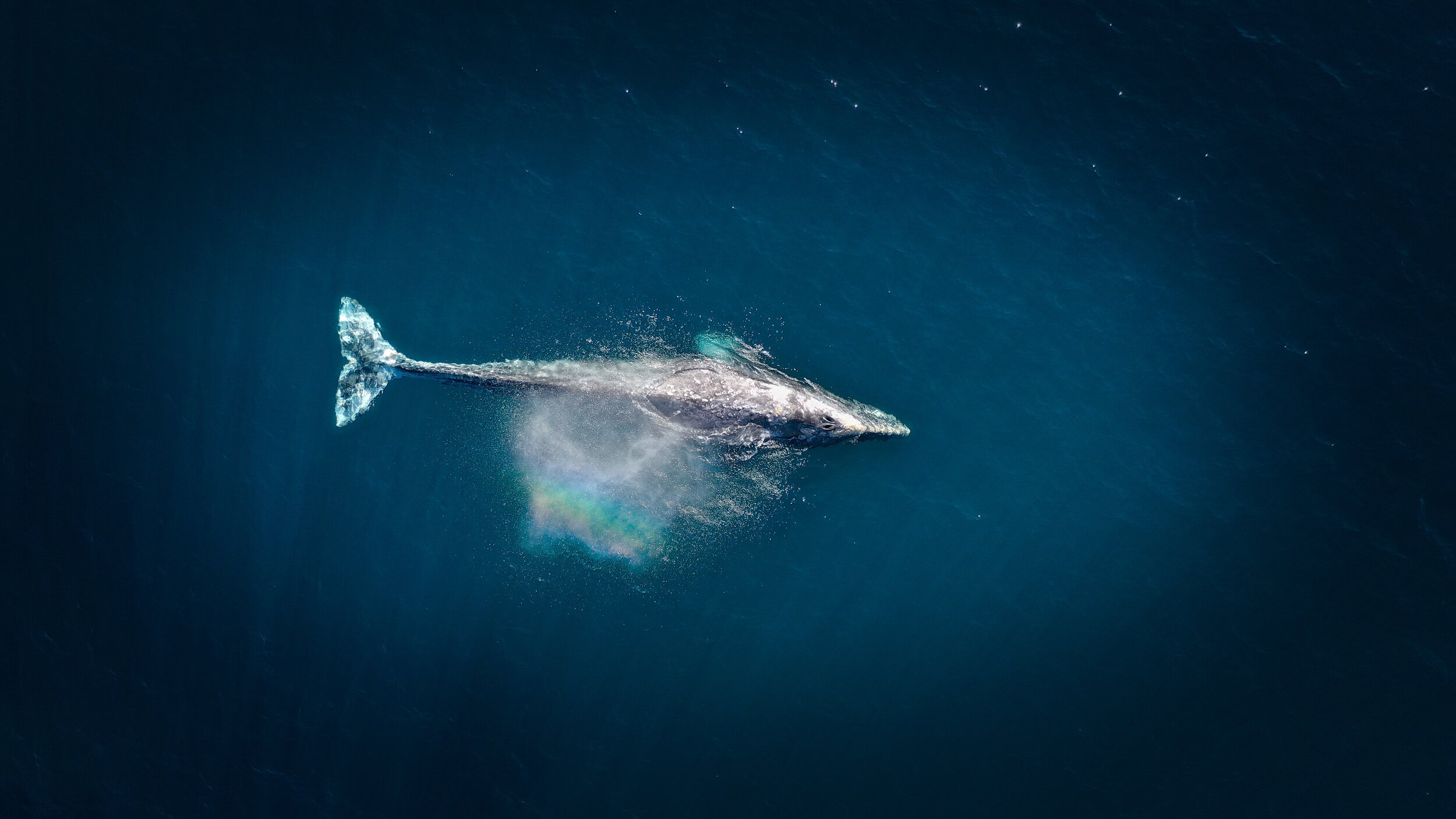
Learning another language can be a difficult task that requires a lot of practice and dedication, and trying to learn a language from another species can seem impossible. Today, with the use of computer learning, humans are teaching computers to speak whale.
Read More
Ginger Beer, Fear, and the Fate of the World: Perceptions that Need to be Shared
Should you risk it for the biscuit? Perceptions of COVID and Climate Change and how SciComm can help.
Read More
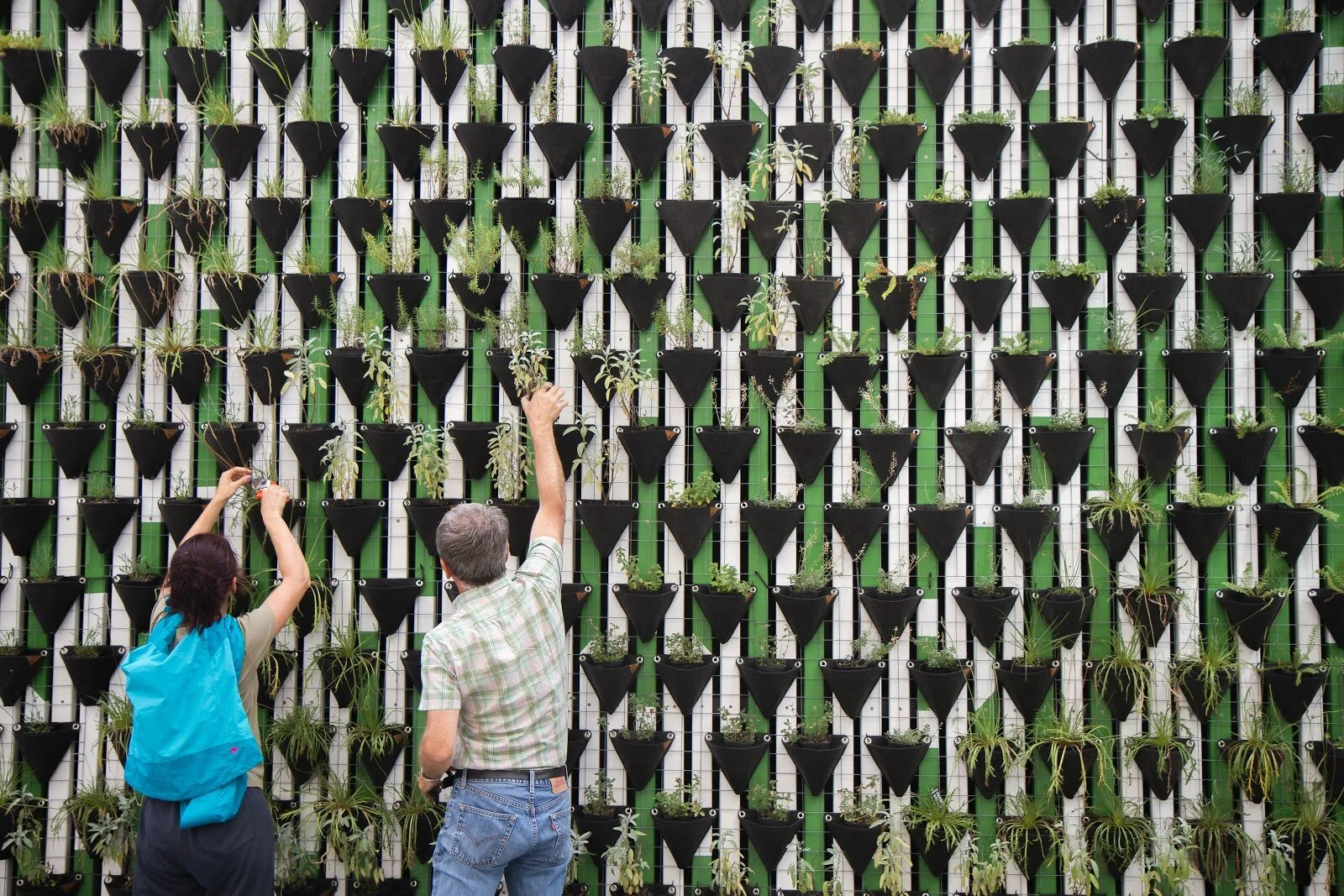
Home Composting Hacks for Your Garden or House Plants
Using kitchen scraps as fertilizer is perhaps the easiest way to save money and improve the health of your plants. Quite simply, plants require specific nutrients that are already present in the food we eat. So why throw away your leftovers, when you can reuse them?
Read More
Pacific Herring - the Forgotten Jonas Brother of the Salish Sea
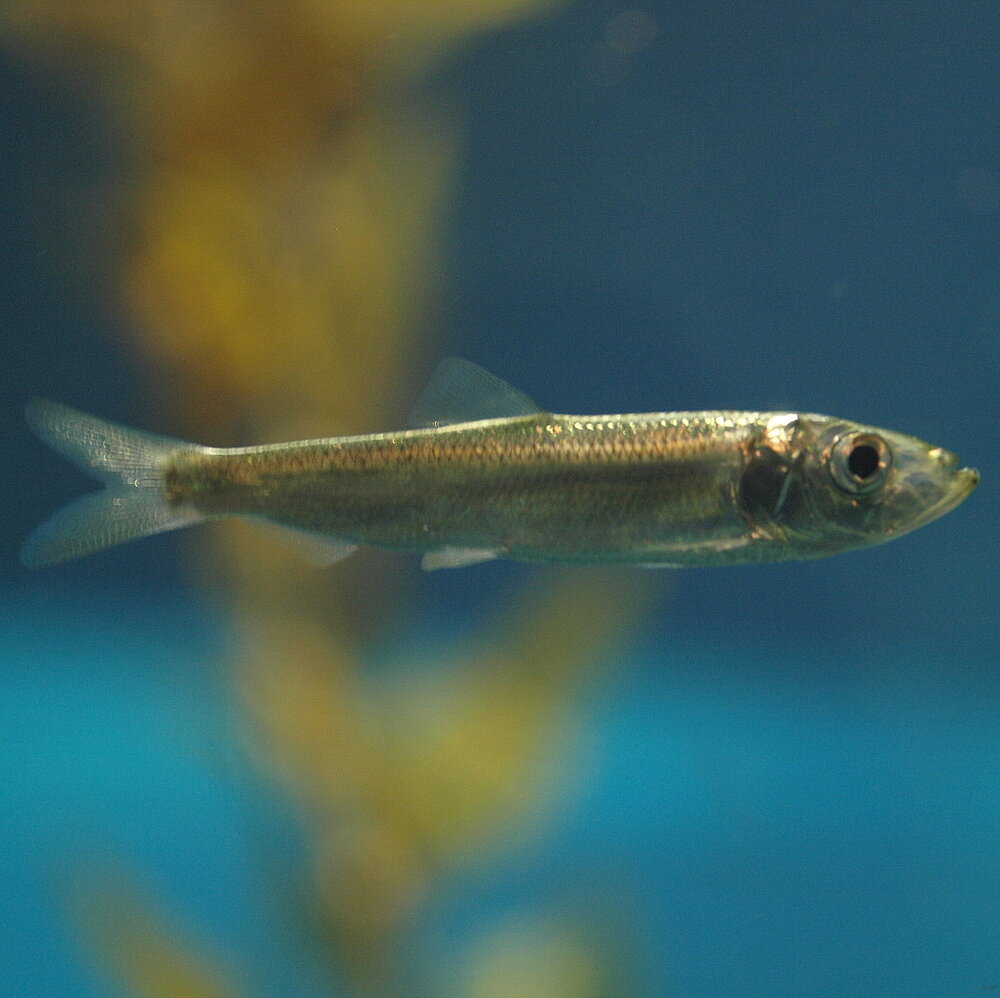
Despite being very different, the Salish Sea and the Jonas Brothers both have one thing in common.
Read More
FROM CORONETS TO CURLED TAILS: SEAHORSES ARE THE NEW KINGS OF CONSERVATION
Seahorses are the unsung heroes of habitat conservation.
Read More